
Last week, we introduced Ozzy Fox to the world, a new music-driven preschool series developed jointly by Animaj and Disney Jr.
Created by four-time Emmy Award winner Jennifer Oxley (Peg + Cat, Wonder Pets!, Little Bill, Clifford the Big Red Dog and Vida the Vet) and developed by Guillermo García-Carsí, creator of Pocoyo, Ozzy Fox transforms everyday childhood routines into joyful adventures through music, imagination and family play.
Since launching on YouTube and YouTube Kids, the first two episodes have already accumulated more than 1.5 million views in less than five days.
Behind those first episodes is a unique collaboration between award-winning storytellers, preschool experts, child development specialists and Animaj's research team.
Every Great Preschool Series Starts With a Simple Idea
Every great children's series begins with a simple idea from a great storyteller. For creator Jennifer Oxley, that idea came from everyday family life.
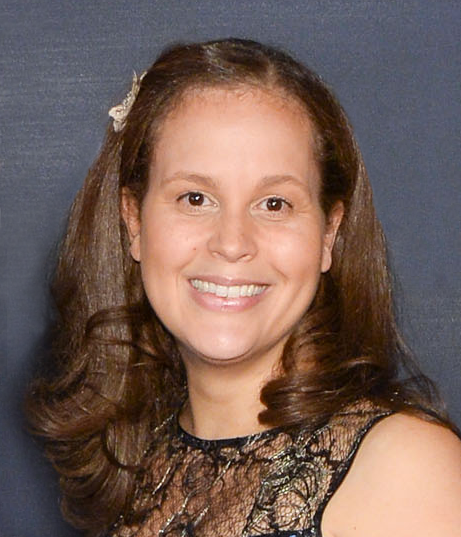
"As a parent, I've learned that the hardest part of the day often isn't the routine itself, it's having to stop the fun to do the thing: brushing your teeth, cleaning up, leaving the playground. Ozzy Fox grew out of the idea that a little creativity, music, and play can completely transform those moments. We hope to inspire families to turn everyday routines into playful missions of their own, helping kids move from 'No way!' to 'Mission accepted!'"
— Jennifer Oxley, Creator, Ozzy Fox
That creative vision was developed through a close collaboration between Animaj and Disney Jr. Writers, directors, and producers worked together throughout development, with input from child development experts to ensure every episode follows a social-emotional learning framework designed around preschool-appropriate stages of development.
From Storyboard to Screen
Every Ozzy Fox episode follows a production workflow built around writers, storyboard artists, directors and animators.
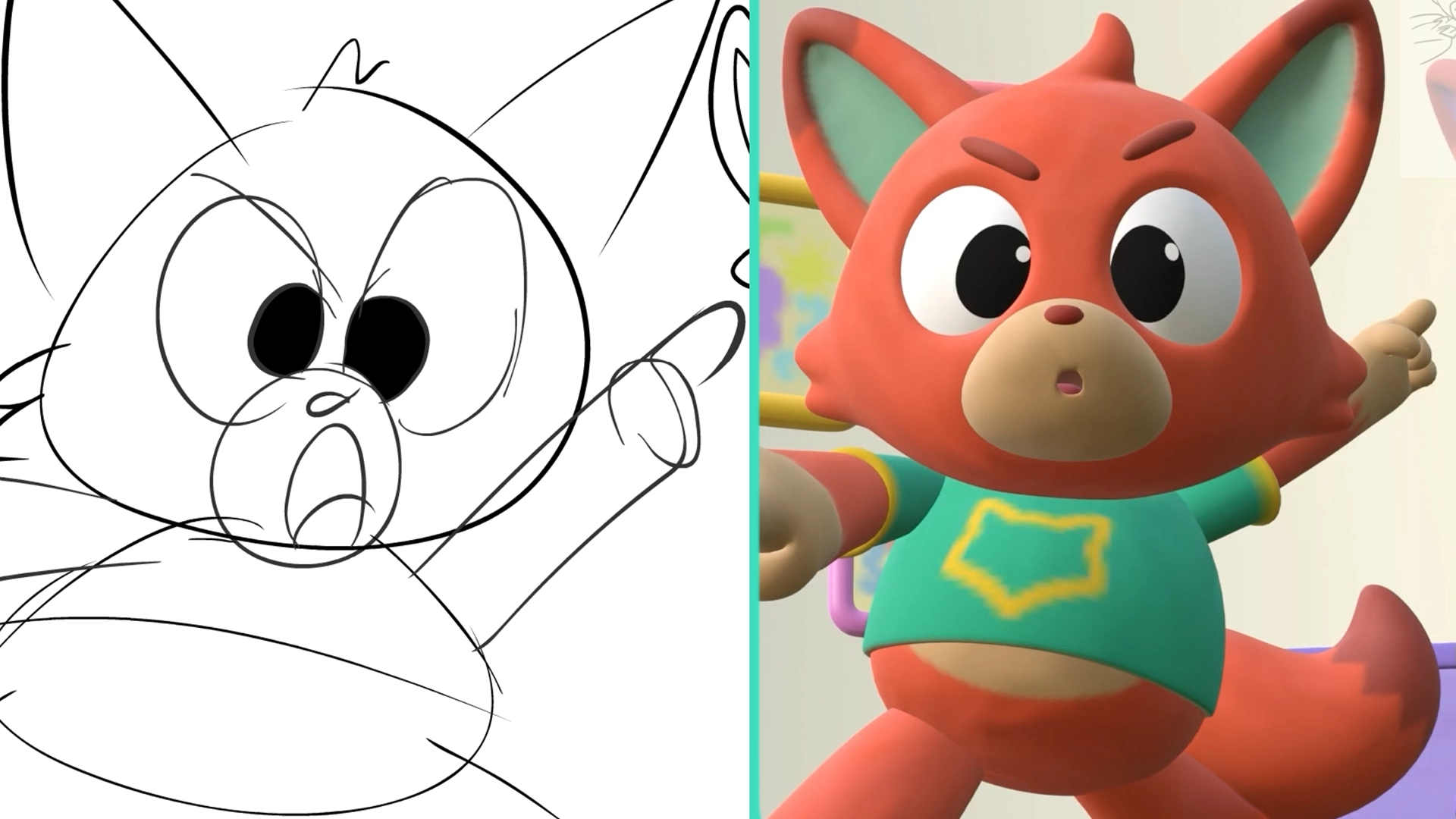
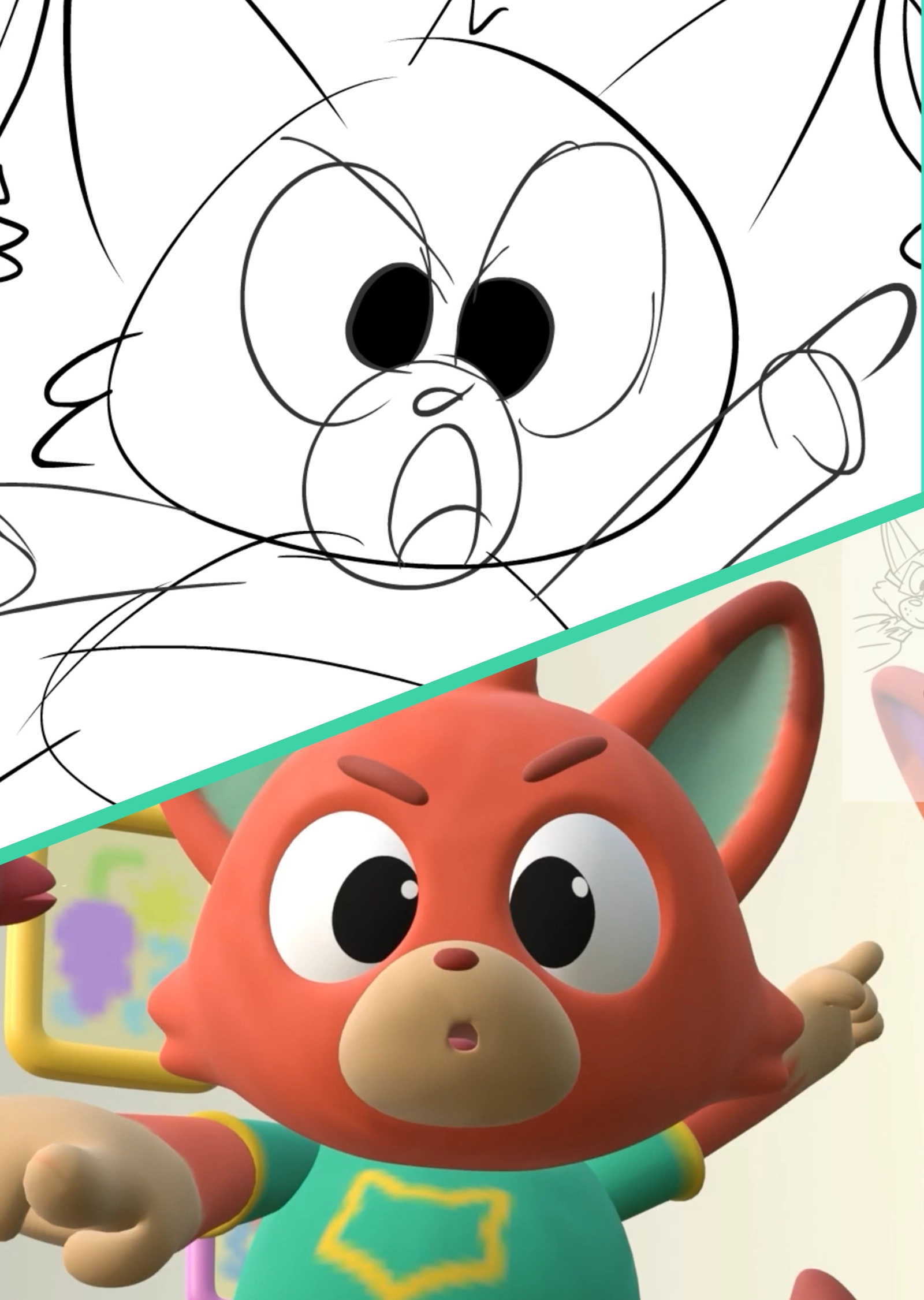
The clips below show a behind-the-scenes look at how the production teams take sequences from animatic (a rough, animated version of the storyboard) to animation playblast (a low-resolution 3D rendering of a scene that helps animators evaluate progress).
Episode 101
On the left is the final animatic produced by artists and approved by the directors. On the right is the animation playblast before lighting, rendering and final compositing
Episode 102
On the left is the final animatic produced by artists and approved by the directors. On the right is the animation playblast before lighting, rendering and final compositing.
Between these two stages, Animaj's proprietary Sketch-to-Motion™ technology helps transform approved animatics into animation playblasts by accelerating the creation of the in-between poses that connect an animator's key poses.
Animators continue to define the key poses, acting, timing and performances. Sketch-to-Motion builds upon those creative decisions, allowing artists to spend less time producing intermediate poses and more time refining performances and storytelling.
The technology used on Ozzy Fox wasn't developed specifically for the series. It is part of Animaj's broader production pipeline and is already used across productions including Pocoyo, Maya the Bee and our newest original productions.
AI-assisted Tools Built for Artists
Over the past two years, an increasing number of AI-generated videos have appeared on platforms like YouTube, often designed primarily to maximize engagement rather than to tell meaningful stories.
At Animaj, we believe children deserve much better. That’s a big part of why Animaj was created.
So no, we did not type a prompt and get a fox.
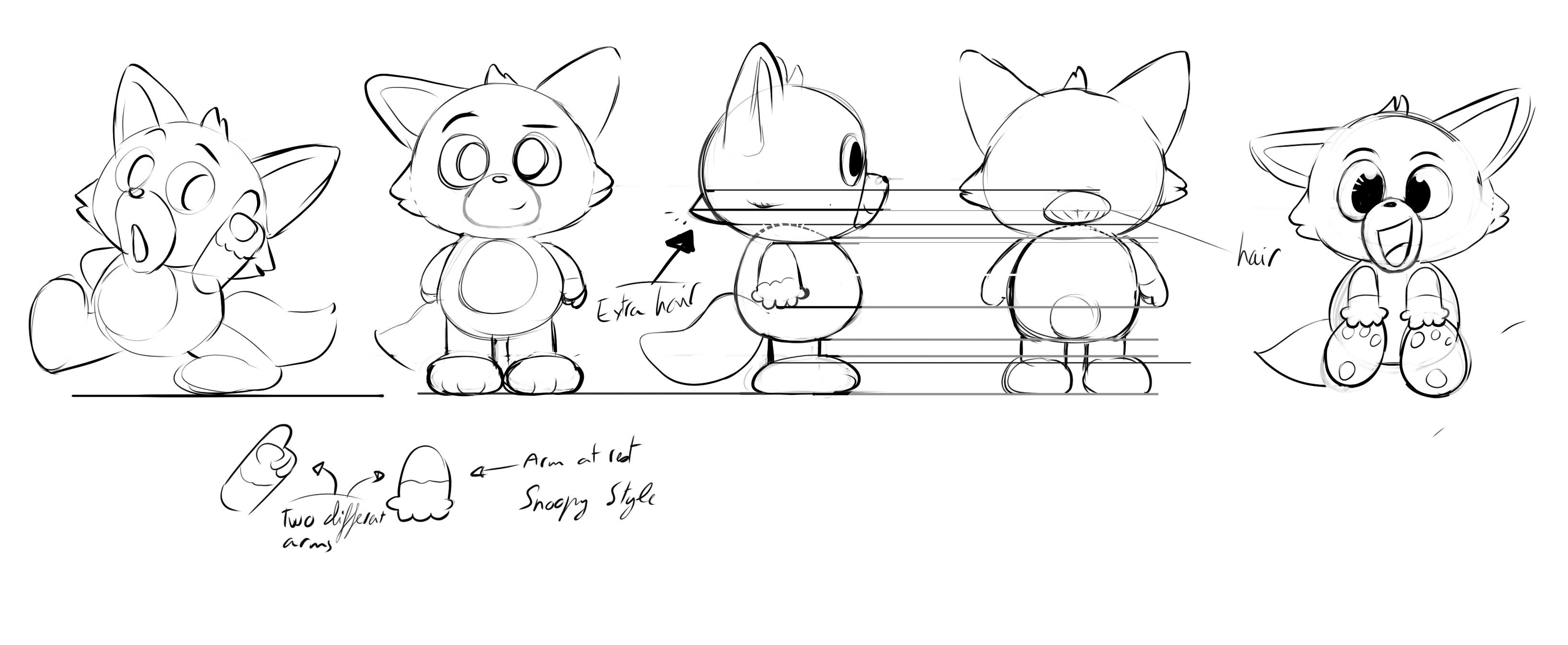
We do not believe text-to-video alone is the future of children's storytelling. Not because the technology isn't impressive. Because it removes the creative decisions that make stories memorable. A prompt cannot direct a performance. It cannot keep a character on-model across two hundred episodes. It cannot decide that Ozzy's ears should drop half a second before his line, because that is how a five-year-old reads a feeling.
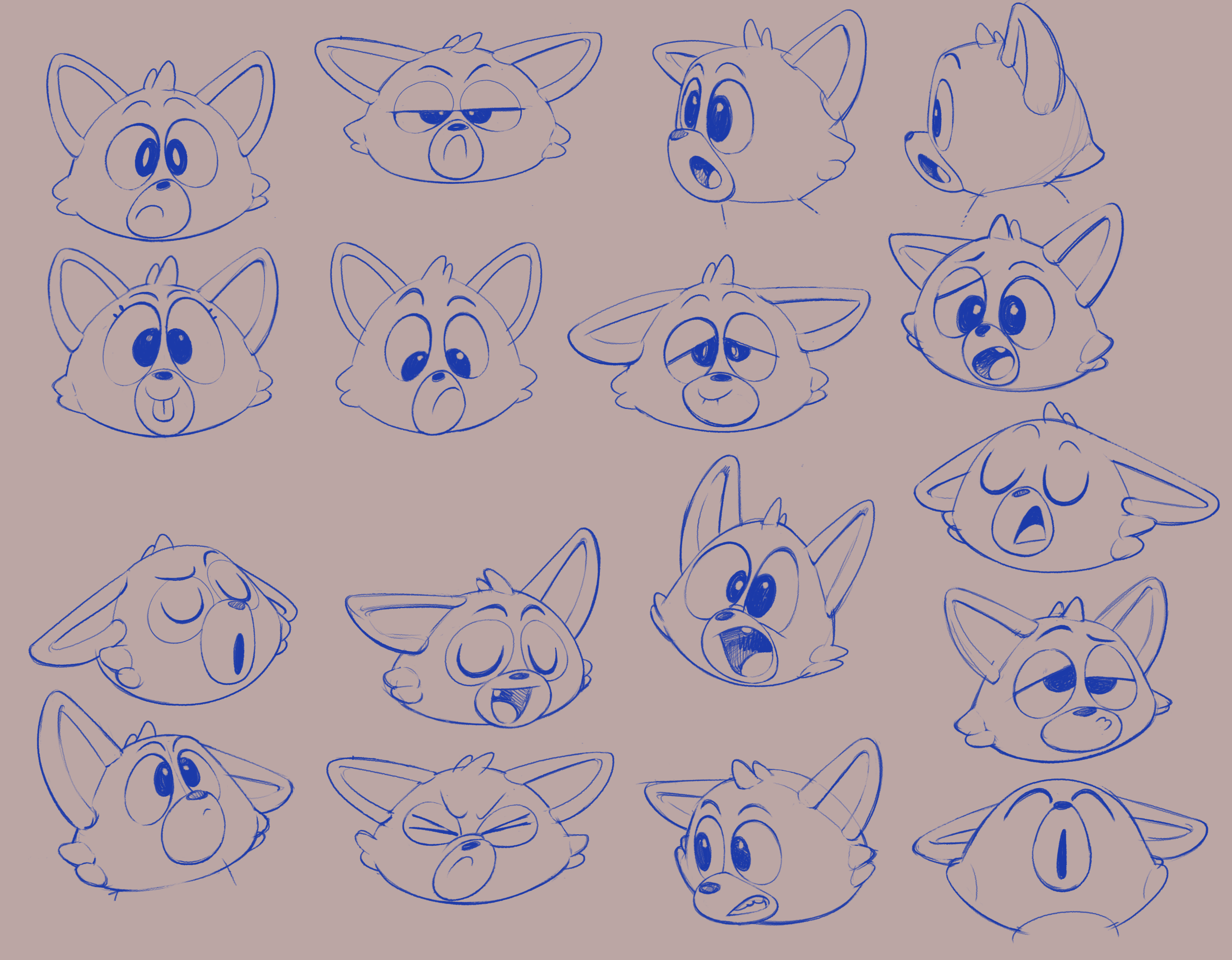
That's why, since 2022, we've been building our own AI-assisted creative tools—designed to serve artists rather than replace them, with every frame ultimately reviewed and approved by an artist.
We believe these tools can help define a new era for animation where artists matter more than ever. Our ambition is simple: combine the best of technology with the best of human creativity to tell better stories for children.
From Research Lab to Production
Sketch-to-Motion is the result of several years of research by Animaj's AI Research team.
At SIGGRAPH 2026 in Los Angeles, members of our research team presented our latest work on AI-assisted motion in-betweening.
Today, that research already supports productions across our studio, including Pocoyo, Maya the Bee and Ozzy Fox.
If you'd like to explore the technology in more depth, we've documented both the research and the production workflow in a series of articles:
- Inside Animaj's SIGGRAPH 2026 Paper: Anton Raël on AI Motion In-Betweening
- Sketch-to-Motion Workflow — Part 1
- Sketch-to-Motion Workflow — Part 2
Looking Ahead
At Animaj, we believe the story of AI and creativity is still being written, and artists should be the ones holding the pen. Used well, these tools collapse the distance between the creator and their audience. Every hour they give back to our creative teams goes where it belongs: into craft, performance and storytelling.
As for Ozzy, this is just the beginning. New episodes premiere every week on YouTube and YouTube Kids, each one turning another everyday routine into a mission, with an original song at its heart.
Sixte de Vauplane
Co-Founder & CEO, Animaj

.svg)