
AI is not the enemy. Slop is.
Our children are growing up on YouTube. Alongside stories worth discovering, they find mass-produced content with no storytelling or creative intent. Just clickbait and repetition, designed to be watched again and again.
That is slop. And AI is accelerating that flood.
Parents should be able to trust the stories their children grow up with. A recommendation is not a guarantee of quality. Blaming platforms, algorithms or regulators will not give children better stories. Responsibility is shared, but it’s on us, producers to lead by making them.
That's our fight.
Animaj was born in 2022, as a new generation of AI models entered public life. Midjourney was launching, and six-fingered hands made AI images easy to laugh at. We grew up with this technological shift, building AI into our model from the outset.
Since then, we have watched the debate move from dismissal to anger. We have lived every stage of this debate from the inside, alongside artists, studios and AI engineers.
Yet the conversation remains stuck on whether to use AI, rather than what to do with it. Producers, studios, schools and public funders must put these tools in the hands of storytellers, because rejecting AI leaves more ground to those producing slop.
1. Slop is an economic problem before it is an AI problem.
Slop existed long before AI. Cheap copy-paste cartoons were already flooding kids' digital platforms years ago. AI didn't create slop, but it industrialized its production.
On platforms like YouTube, premium animation has struggled to pay for itself. Kids’ content generates less advertising revenue than other content, while premium animation remains expensive to produce. That system rewards whoever can produce the most for the least.
AI is the first real chance to break that equation, making ambitious storytelling pay for itself where children already watch.
2. Refusing AI doesn't stop slop, but feeds it.
Many in our industry believe that refusing AI protects children and artists. It does the opposite.
Slop producers don't need anyone's permission. When a talented storyteller refuses AI, nothing slows them down. It only disarms the storytellers who compete with slop.
Some say "AI-free" will become a premium label, like organic food. Maybe. But crafted stories reserved for those who can pay, and slop for everyone else, would mean a two-tier childhood we cannot accept.
Refusing AI is a surrender, and children are the ones who pay for it.
3. If cost-cutting is the whole ambition, slop wins.
Yes, AI lowers our costs. That’s what makes high-quality production viable on YouTube and other digital platforms. But lower costs are a means, never the ambition.
The choice is what we do with the time and resources freed up. Every hour AI gives back has to go back into the work: stronger stories, richer characters, and more creative iteration.
When technology makes production easier, our answer as an industry must be to demand more from what we create.
4. AI = Speed = More creative bets.
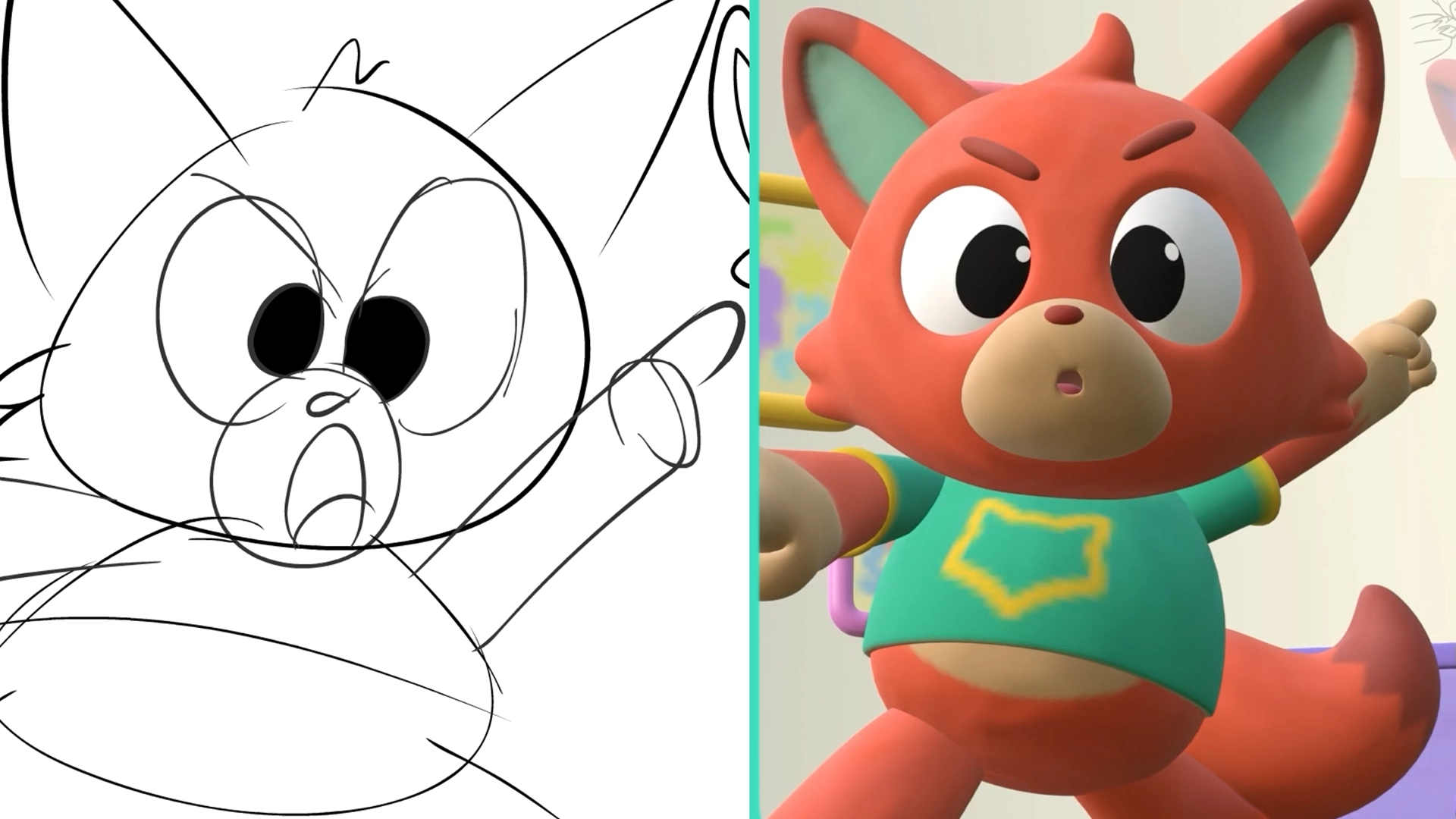
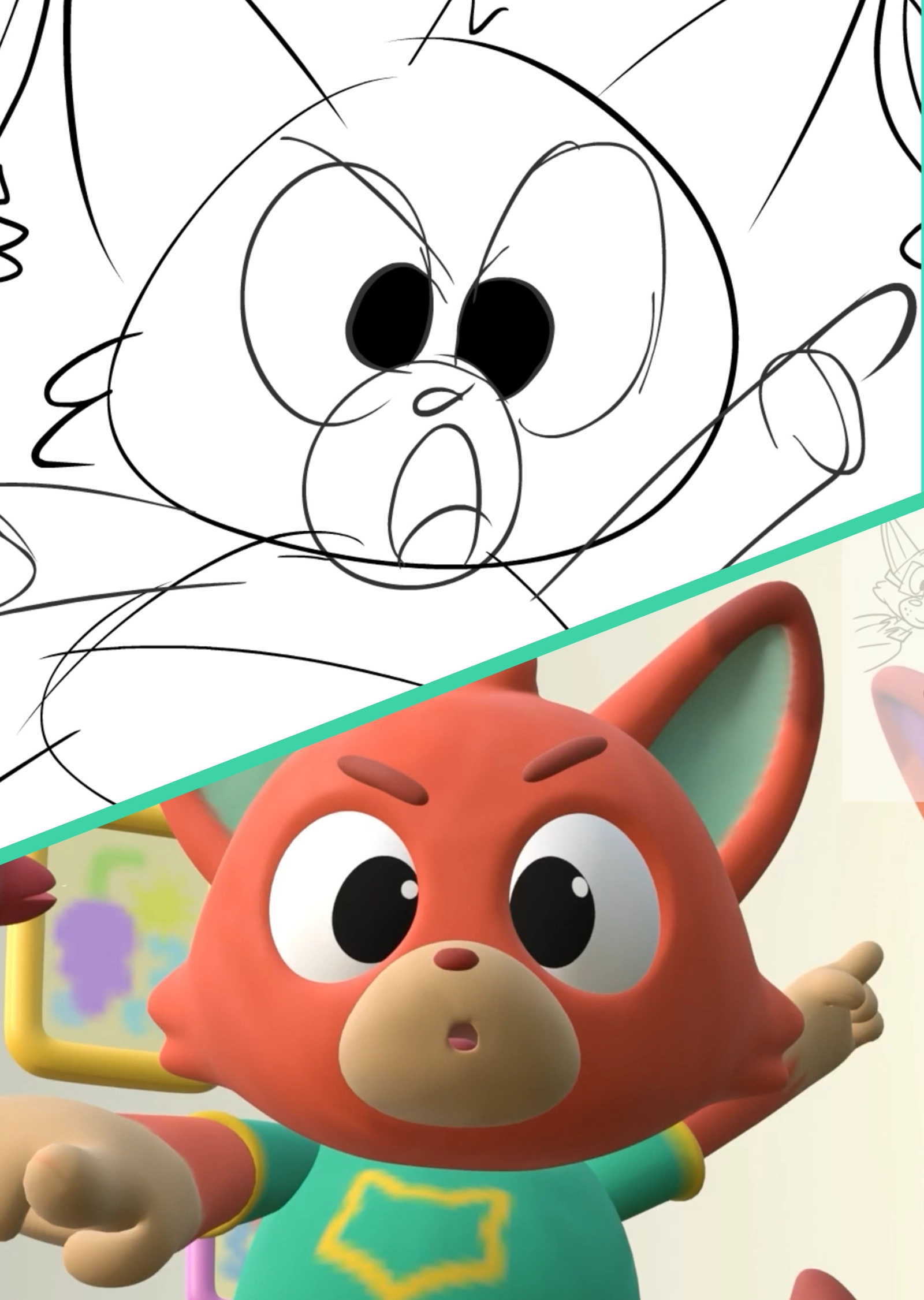
AI is a tool in the artist’s hands, not the other way around. It clears technical bottlenecks between imagination and the screen. An artist can see a scene sooner, judge it, change it and try again. And again.
Great animation has always depended on iteration, and iteration is the first thing budgets cut. AI makes more attempts possible: more chances to find the shot that makes our audience laugh or hold their breath.
But what really matters is what speed buys.
In traditional animation, a new show is an expensive bet. Familiar ideas are easier to approve: the sequel, the remake, the proven formula.
AI makes more ideas affordable to try: the strange character, the unfamiliar culture, the story nobody would have greenlit. We can put them in front of families, learn what moves them and go again.
Through every round, artists must stay in charge. What an audience should feel, learn, fear or love must come from someone who can explain why they made that choice.
A story carries something of the person who tells it. It is always more beautiful when it comes from the gut and from the flesh than from a machine.
Even when AI will write a story worth telling from beginning to end, human authorship must remain our industry’s choice.
Used badly, AI makes more of the same. Used well, it makes room for more creative bets and more diversity.
5. Tomorrow’s animators will direct more and execute less.
Some jobs will disappear. Others will change profoundly. Pretending otherwise does not protect artists.
Schools and public funding still prepare young animators for yesterday’s pipeline: years spent mastering technical tasks that AI can increasingly accelerate or automate. Technical craft still matters, but training must prepare artists to direct the technology, not only execute tasks it can perform.
Tomorrow’s roles need taste, craft and judgment. Greater efficiency will raise expectations. Meeting them takes talent.
Studios can’t wait for public institutions to catch up. We have to act now: teach directing and aesthetics, fund retraining, and support new creative practices rather than preserve existing pipelines for their own sake.
Every studio that uses these tools owes its artists the training to direct them.
The worst thing we can do for young artists is pretend nothing has changed.
We Won’t Let Slop Win
AI already shapes the stories children grow up with.
The question is whose hands it’s in: storytellers who care about what a child takes away, or factories that only care about how long the child stays.
If the best storytellers walk away, slop wins by default. We cannot let that happen.
That’s why we use AI. That’s why we fight slop.

.svg)