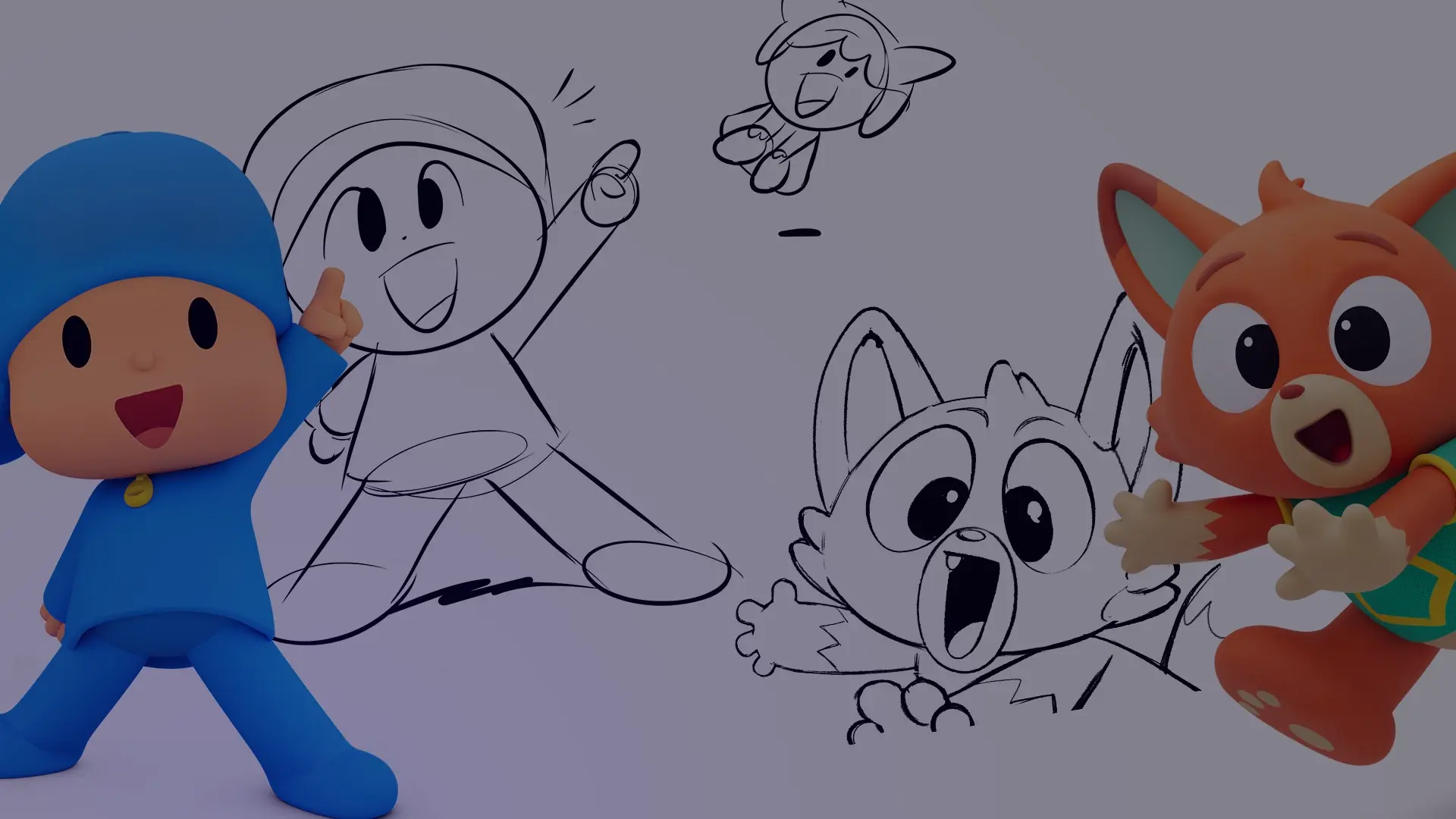
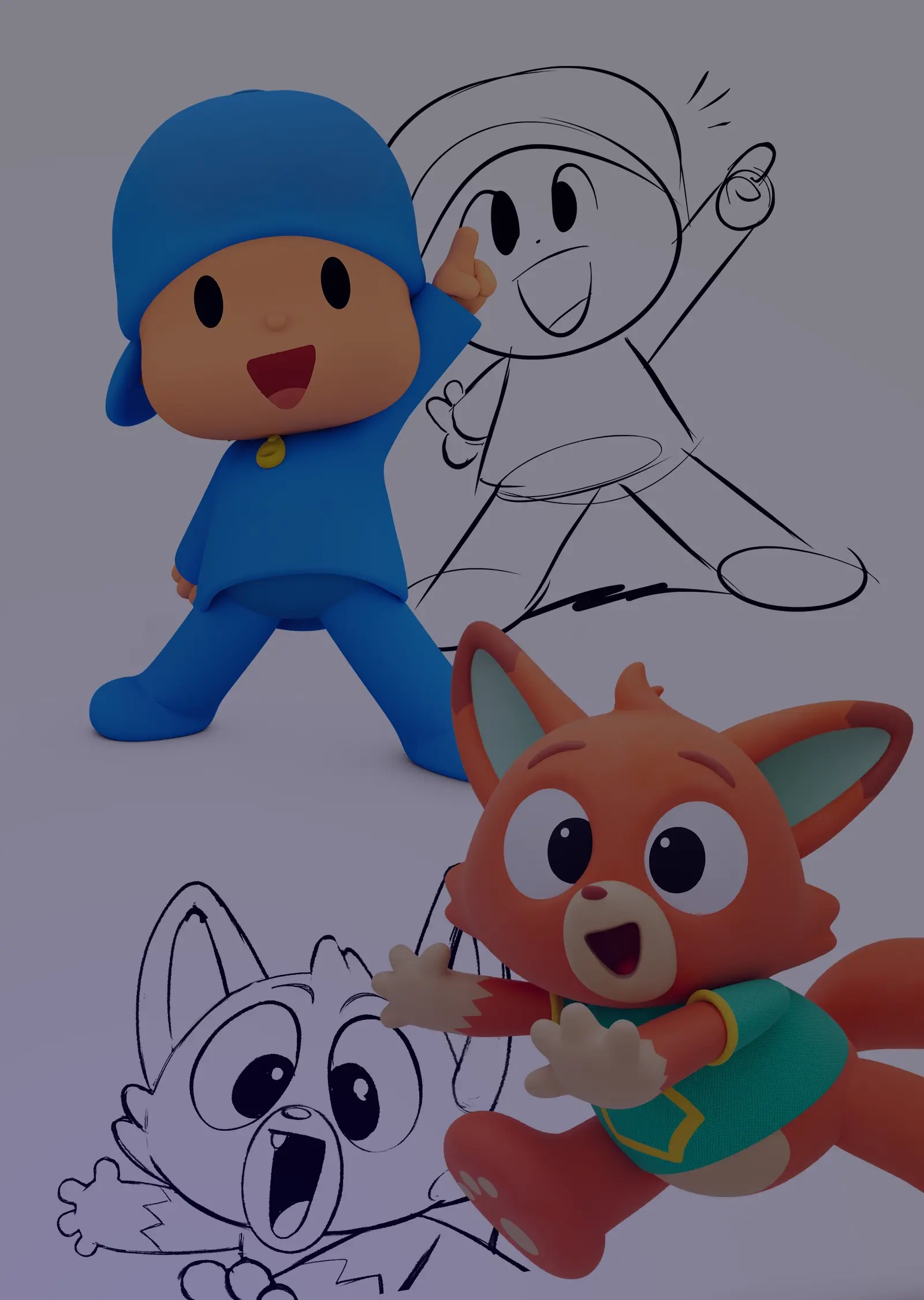

FlipMove helps production teams work more efficiently and shorten turnaround times, while keeping artists in full creative control.
Animaj, the next-generation media company behind Pocoyo, Maya the Bee, and Ozzy Fox, today introduces FlipMove, an artist-led, AI animation production workflow connecting the stages from approved animatic to finished animation. By helping production teams work more efficiently and shorten turnaround times, FlipMove gives artists more time to focus on storytelling, staging, and character performance.
Built with artists, engineers, and AI researchers, FlipMove connects Animaj’s previously separate animation tools with new animatic-to-layout and director-retake capabilities, carrying each scene through an editable 3D production pipeline.
FlipMove is already used in production on Ozzy Fox, which has drawn more than 25 million views on YouTube since its July launch. Animaj will demonstrate the workflow today at Disney Accelerator Demo Day in Los Angeles, with plans to extend it across the company’s portfolio, including Pocoyo and Maya the Bee.
The launch addresses a central question for AI in animation: how to accelerate production while preserving creative authorship. Animaj’s approach is to automate repetitive technical work between creative decisions, with artists directing, refining and approving the results.
Connecting animation software and AI models into one production workflow
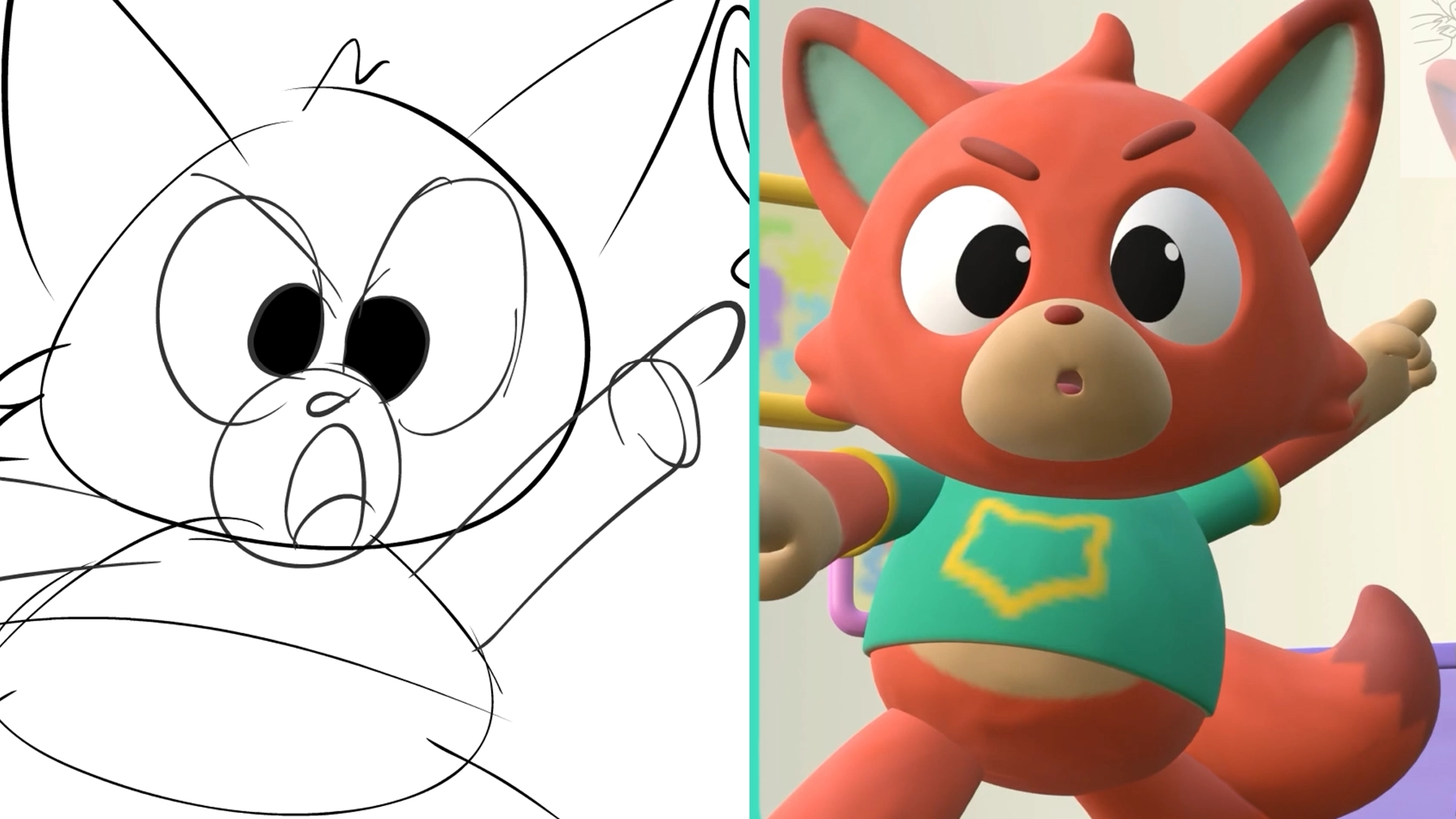
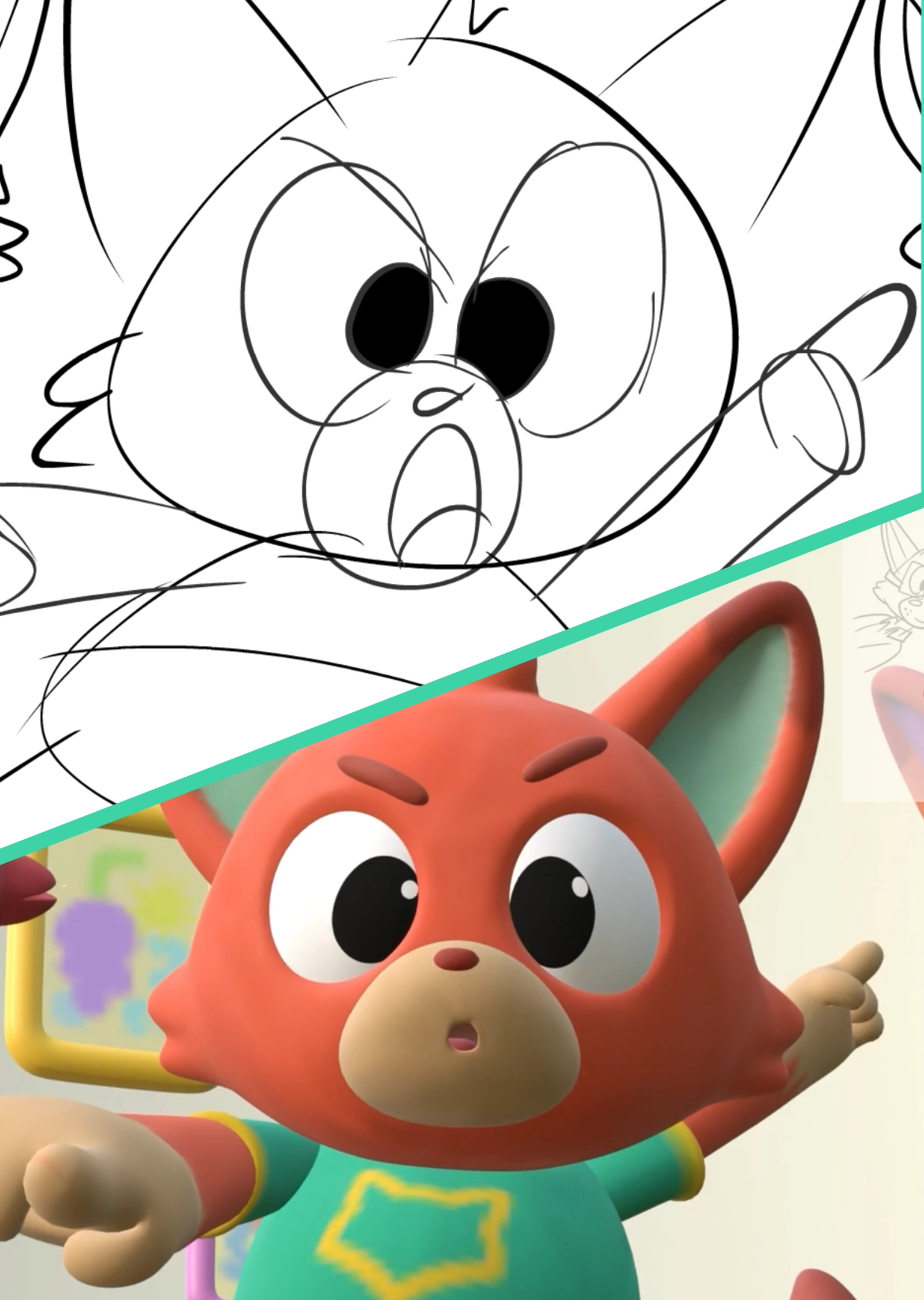
FlipMove brings together technologies Animaj has developed over several months: Sketch-to-Pose, which translates drawings into editable 3D poses, and Motion-In-Betweening, which generates intermediate poses between animator-defined key poses.
The workflow extends these capabilities with Animatic-to-Layout, which uses an approved 2D animatic to establish cameras, props, character staging, and poses in a 3D scene. It also integrates Layout Retakes and Pose Retakes, which automatically translate director feedback into revised layouts and animation shots for artists to review and refine.
The result: a director’s note becomes an editable layout or pose revision in 2 minutes rather than 20. Artists retain control of composition, acting, timing, and performance, with every 3D output remaining editable through to final animation approval.
Built around characters, assets, and artist expertise
FlipMove combines Animaj’s proprietary animation technologies, including models trained on its IPs and production assets, with advanced AI models and established animation software. Artists and engineers develop the workflow together, testing it on production scenes and using artists’ feedback to refine its capabilities and how it fits into their daily work.
“Connecting our animation technologies into one workflow lets teams turn a director’s note into an editable 3D revision in two minutes rather than twenty,” said Antoine Lhermitte, CTO of Animaj. “That revision lives in the Blender scene, where artists can inspect it, adjust it and continue animating. The feedback becomes a working starting point for the artist to refine.”
FlipMove builds on Animaj’s animation research, including “Adaptive Interpolation-Synthesis for Motion In-Betweening on Keyframe-Based Animation,” presented at SIGGRAPH 2026 in Los Angeles.
Faster iteration, alongside the audience
Faster production with FlipMove also strengthens Animaj’s Feedback Loop: creative teams can share new episodes with families sooner, use Audience Intelligence to understand what resonates, and bring those insights into the next round of development and production.
“For decades, animation budgets have limited how many times artists could test an idea and make it better,” said Sixte de Vauplane, co-founder and CEO of Animaj. “AI should give us the freedom to aim higher. With FlipMove, the time we save goes back into storytelling, character performance and creative exploration. It gives artists back the one thing budgets too often take away: another try.”